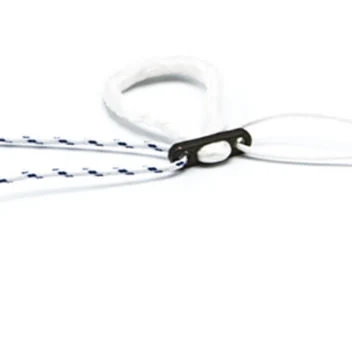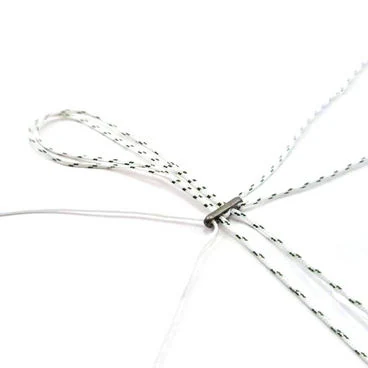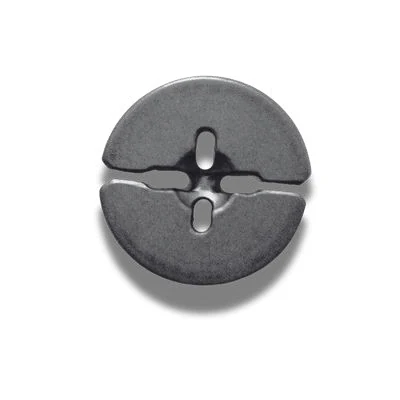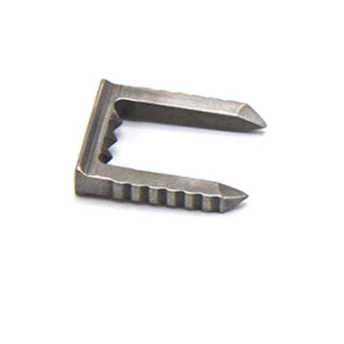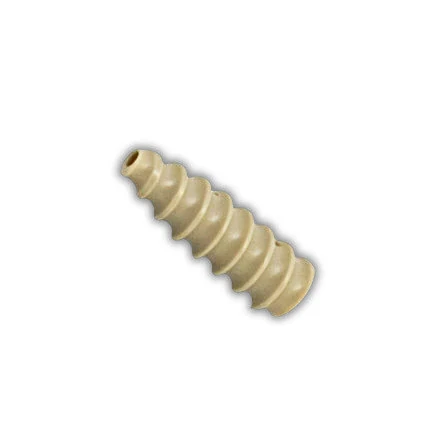
In ankle syndesmosis injuries, fixation may be rigid with a screw or flexible with a suture button. This article summarises three meta-analyses of randomised trials and where they diverge.
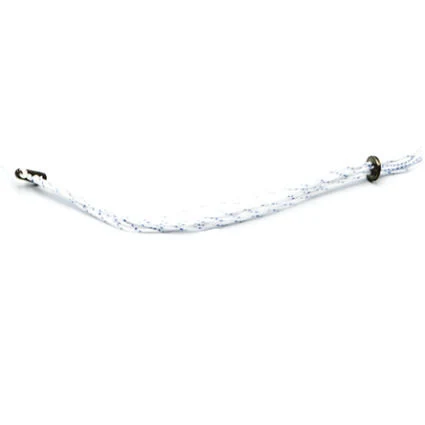
Framing the comparison
A syndesmotic screw provides rigid fixation, and implant removal may be considered in some cases. Suture button systems are designed to provide flexible fixation. The literature compares these approaches on functional scores, implant problems, reoperation and malreduction.
Three meta-analyses at a glance
| Publication | Scope | Reported findings |
|---|---|---|
| Shimozono 2019[1] | 5 studies; 143 suture button, 142 screw | AOFAS 95.3 / 86.7 (P < .001); broken implant 0.0% / 25.4%; implant removal 6.0% / 22.4%; malreduction 0.8% / 11.5% (P = .05) |
| Xu 2023[2] | 8 RCTs, 512 patients | No significant difference in malreduction or EQ-5D; differences favouring suture button in local irritation, unplanned reoperation, AOFAS and OMAS |
| Migliorini 2024[3] | 7 RCTs, 490 patients | Lower OMAS and AOFAS in the screw group; higher implant failure, implant removal and malreduction |
Where the results diverge
The clearest divergence is on malreduction: the 2019 and 2024 analyses report higher rates in the screw group, whereas the 2023 analysis found no significant difference.[1][2][3] The P value of the 2019 result is also at the threshold (P = .05). The authors’ wording is cautious as well: the 2024 study states that suture buttons “might perform better”.[3]
These meta-analyses address the same question and may include overlapping randomised trials, so the three publications should not be counted as three independent bodies of evidence. They also compare device classes rather than any single device.
References
- Shimozono Y, Hurley ET, Myerson CL, Murawski CD, Kennedy JG. Suture button versus syndesmotic screw for syndesmosis injuries: a meta-analysis of randomized controlled trials. Am J Sports Med. 2019;47(11):2764-2771. doi:10.1177/0363546518804804
- Xu B, Wang S, Tan J, Chen W, Tang KL. Comparison of suture button and syndesmotic screw for ankle syndesmotic injuries: a meta-analysis of randomized controlled trials. Orthop J Sports Med. 2023;11(1):23259671221127665. doi:10.1177/23259671221127665
- Migliorini F, Maffulli N, Cocconi F, et al. Better outcomes using suture button compared to screw fixation in talofibular syndesmotic injuries of the ankle: a level I evidence-based meta-analysis. Arch Orthop Trauma Surg. 2024;144(6):2641-2653. doi:10.1007/s00402-024-05354-x