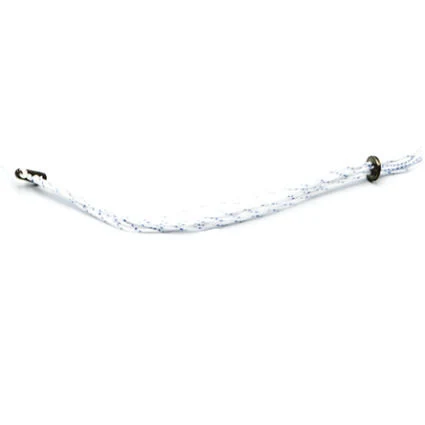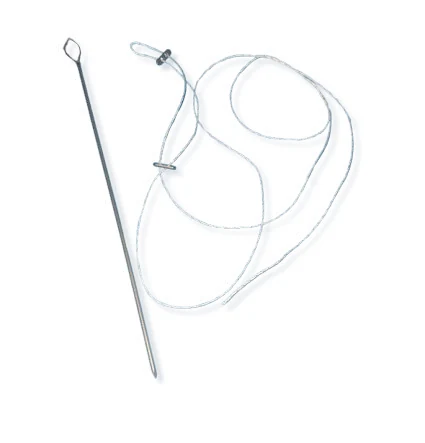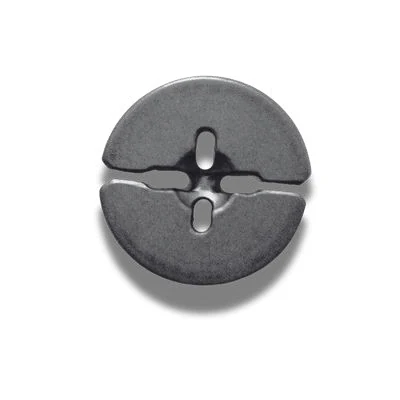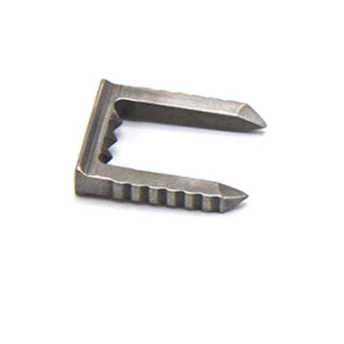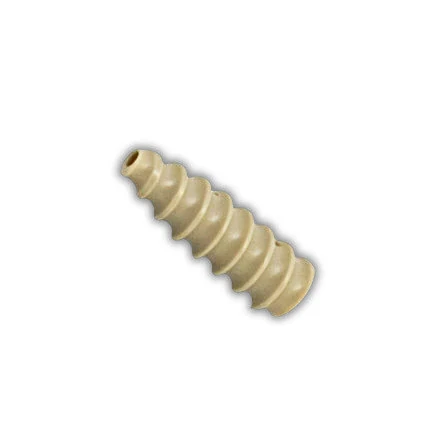
Cortical suspension buttons are devices used for femoral graft fixation in anterior cruciate ligament (ACL) reconstruction. This article summarises what two reviews comparing fixed- and adjustable-loop designs found, and where the evidence stops.
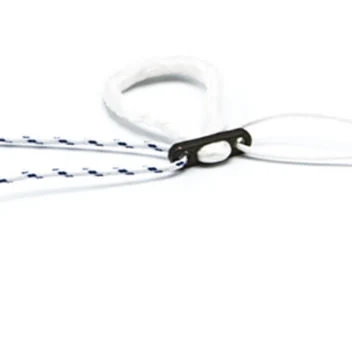
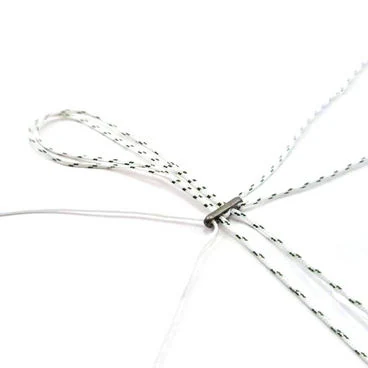
How the two designs differ
In fixed-loop devices the loop length is predetermined. In adjustable-loop devices the loop is shortened after the button is deployed, drawing the graft into the socket. The central question in the literature is whether the adjustable mechanism lengthens more under cyclic load, and whether this translates to clinical outcomes.
Biomechanical findings
A 2018 meta-analysis of six biomechanical studies reported significant differences between the compared devices in ultimate load and cyclic displacement. The least cyclic displacement was seen with the fixed-loop device studied, while ultimate load also differed between the two adjustable-loop devices.[2] The findings therefore do not give a single answer for “all adjustable devices”.
These results come from porcine femur and bovine tendon or isolated-device models. Heterogeneity was very high (I² about 91–98%) and test protocols varied between studies. The authors call for clinical trials.[2]
Clinical findings
A 2022 systematic review and meta-analysis covers 15 cohort studies (2,686 patients) using hamstring autografts.[1]
| Outcome | Finding | Note |
|---|---|---|
| Revision | No pooled estimate calculated | 5 studies; high heterogeneity |
| Knee laxity (KT-1000, 2 years) | Mean difference −0.15 mm (95% CI −0.54 to 0.24) | 4 studies, 357 patients; I² = 61% |
| Lysholm and IKDC | No meaningful difference | 6 and 5 studies |
The authors conclude that both device types appear safe for ACL reconstruction, but rate the certainty of evidence as very low because of observational designs, risk of bias and heterogeneity, and call for better-quality studies.[1]
What this evidence does not say
- It does not show that one device type is superior to the other.
- Time-zero laboratory values do not replace clinical outcomes.
- It cannot be directly generalised beyond hamstring autografts.
References
- Elmholt SB, Nielsen TG, Lind M. Fixed-loop vs. adjustable-loop cortical button devices for femoral fixation in ACL reconstruction: a systematic review and meta-analysis. J Exp Orthop. 2022;9:106. doi:10.1186/s40634-022-00544-1 (Düzeltme / Correction: J Exp Orthop. 2022;9:112.)
- Houck DA, Kraeutler MJ, McCarty EC, Bravman JT. Fixed- versus adjustable-loop femoral cortical suspension devices for anterior cruciate ligament reconstruction: a systematic review and meta-analysis of biomechanical studies. Orthop J Sports Med. 2018;6(10):2325967118801762. doi:10.1177/2325967118801762